
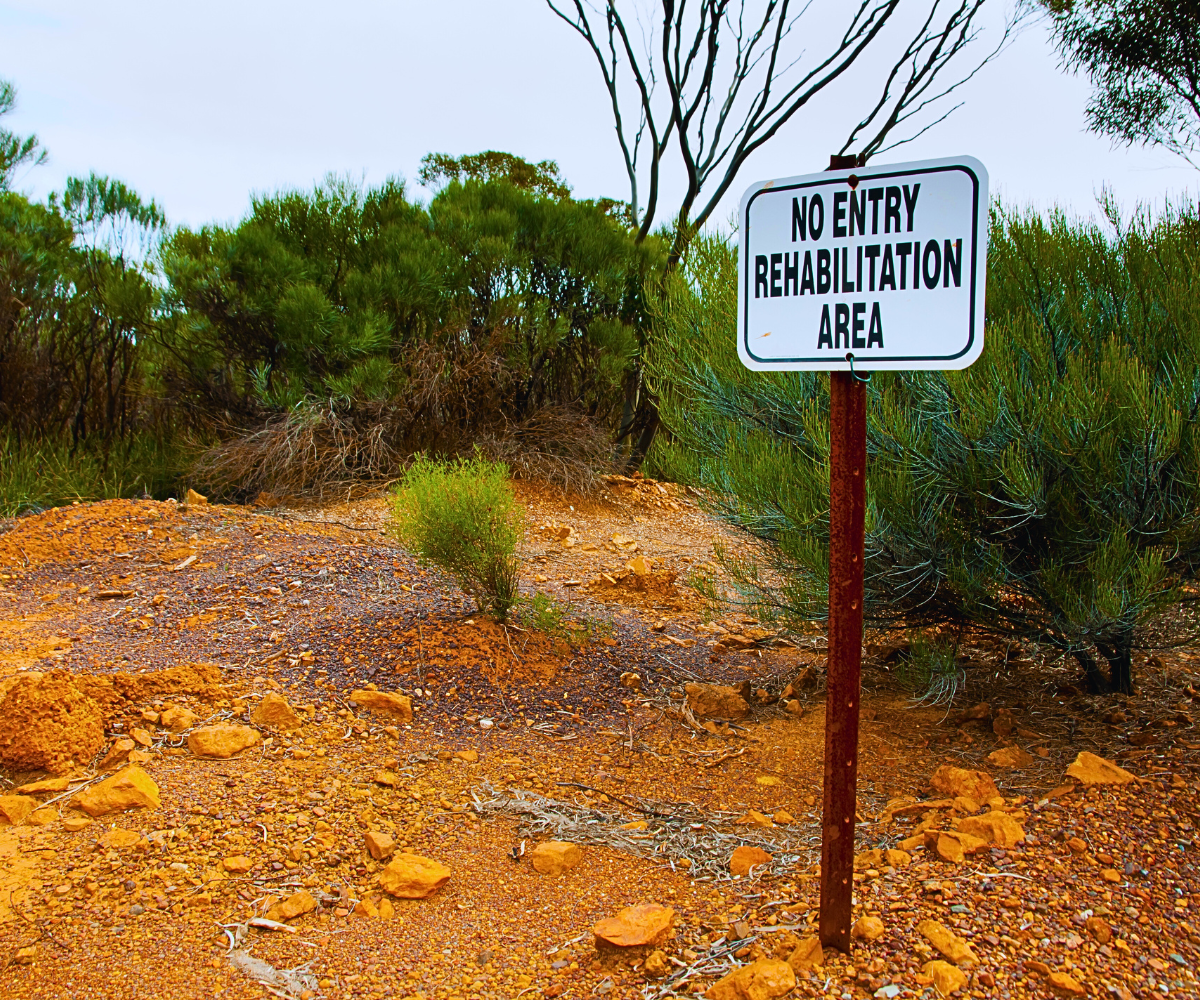
Sustainable Land Restoration Through Rehabilitation and Closure Plans
Mining operations, while essential for economic development, can leave lasting environmental footprints. Rehabilitation and Closure Plans play a vital role in restoring mined land, ensuring it remains productive and environmentally stable long after extraction ends.
These plans involve strategic land rehabilitation, ecosystem restoration, and long-term environmental monitoring to minimize hazards such as soil degradation, water contamination, and habitat loss. By integrating sustainable closure practices, companies can fulfill regulatory requirements, protect biodiversity, and support community-driven land repurposing.
Environmental Restoration
A well-executed rehabilitation plan helps restore the environment by minimizing the long-term impacts of mining activities. Replanting vegetation and rehabilitating disturbed land contribute to the recovery of natural ecosystems, ensuring they can support biodiversity and ecological functions.
- Restores ecosystems by replanting vegetation and rehabilitating disturbed land.
- Prevents soil erosion and reduces water contamination risks.
- Enhances biodiversity by reintroducing native plant and animal species.
- Supports climate resilience by promoting sustainable land use.
Compliance and Corporate Responsibility
Rehabilitation and closure plans ensure that mining companies comply with legal and environmental regulations. By proactively addressing environmental concerns, companies demonstrate their commitment to sustainable mining practices, which helps build trust with regulators, communities, and investors.
- Ensures adherence to legal and environmental regulations.
- Demonstrates corporate commitment to sustainable mining practices.
- Enhances reputation and strengthens relationships with stakeholders.
- Reduces liabilities and long-term environmental risks.